Best Beginner-Friendly RV Campgrounds by Region: What to Look for First
Finding the right first campground can make your entire RV experience feel easier. The best beginner-friendly RV campgrounds by region are usually the ones with simple access roads, level sites, clear hookups, and staff who make check-in and setup less stressful. Instead of chasing the most scenic or most popular park right away, start with campgrounds that help you learn the basics with confidence.
This guide breaks down what beginner-friendly really means, the easiest campground styles to look for in different parts of the country, and how to compare your options before you book. Whether you own an RV or you are renting one for the first time, choosing the right campground can save you a lot of frustration on your first trip.
What Makes an RV Campground Beginner-Friendly?
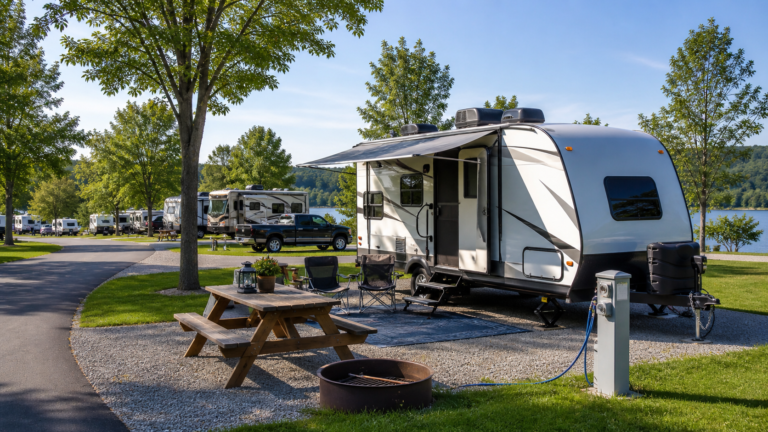
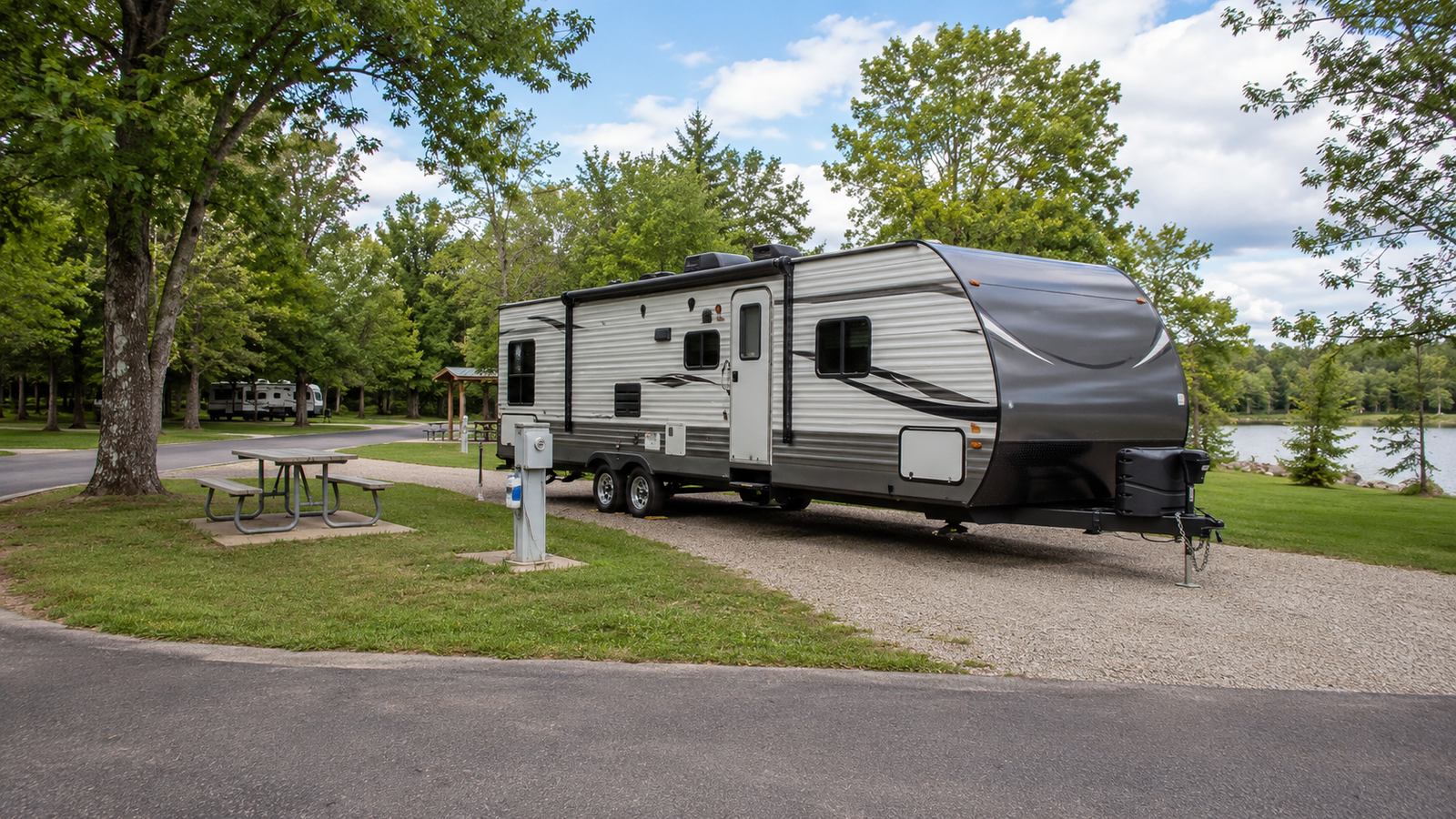
A beginner-friendly campground is not just a pretty place to park. It is a place that makes arrival, setup, and your first overnight stay feel manageable. For most first-time RV campers, that means wide roads, clear signs, level sites, and straightforward hookups rather than tight turns, confusing layouts, or highly rustic sites.
| Feature | What to Check | Why It Helps Beginners |
|---|---|---|
| Easy access | Wide roads, clear entrance, fewer tight turns | Reduces driving stress when you arrive |
| Site layout | Level pad, pull-through or roomy back-in site | Makes parking and leveling easier |
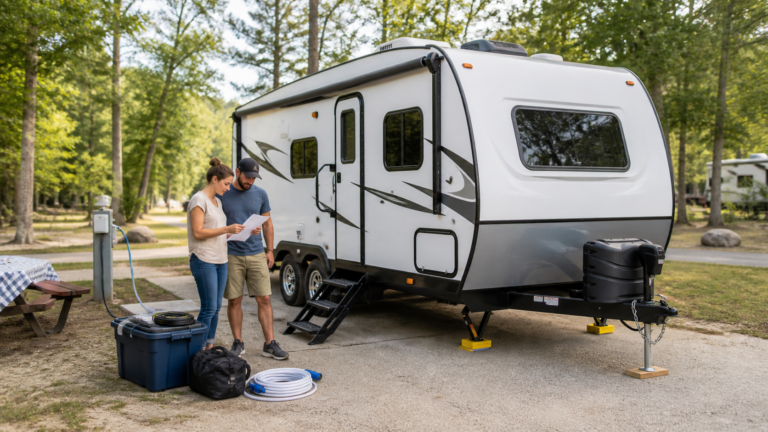
| Hookups | Water and electric at the site, plus sewer or dump station details | Helps you know exactly what gear and setup steps you need |
| Staff and signage | Simple check-in, site numbers, clear campground map | Cuts down on confusion after a long drive |
| Basic amenities | Clean restrooms, trash, potable water, laundry if needed | Gives you a safety net while you learn your RV systems |
If you are unsure whether a campground is truly beginner-friendly, read the listing and reviews with one question in mind: would this place still feel manageable if something took longer than expected? That mindset usually leads you to better first-trip choices.
Beginner-Friendly RV Campground Quick Picks by Region
The easiest first campground is often different depending on where you travel. Climate, road width, trees, terrain, and campground style all affect how beginner-friendly a place feels. These quick picks focus on the kinds of campgrounds that are usually easiest for new RV campers to handle in each region.
| Region | Best First Choice | Why It Works | Watch Out For |
|---|---|---|---|
| West Coast | Well-reviewed private RV parks with pull-through sites | Often easier access, clearer hookups, and more room to maneuver | Busy coastal areas may book early and have size limits |
| Southwest | Desert or city-adjacent RV parks with open layouts | Wide roads and fewer trees can make setup simpler | Heat, wind, and limited shade |
| Midwest | Family RV parks or larger state park campgrounds with easy site access | Good starter option for shorter drives and practical weekend trips | Rain, muddy ground, and seasonal closures |
| Southeast | Private campgrounds with visible hookups and shaded sites | Helpful amenities and easier family-focused stays | Humidity, bugs, and stormy weather |
| Northeast | Larger RV parks or spacious state park sites with clear reviews | Better for avoiding tight trees and narrow older layouts | Shorter sites, narrow roads, and more backing pressure |
| Mountain areas | Full-hookup parks near gateway towns or major scenic routes | Often easier than remote campgrounds with steep terrain | Grades, weather swings, and tighter mountain roads |
West Coast
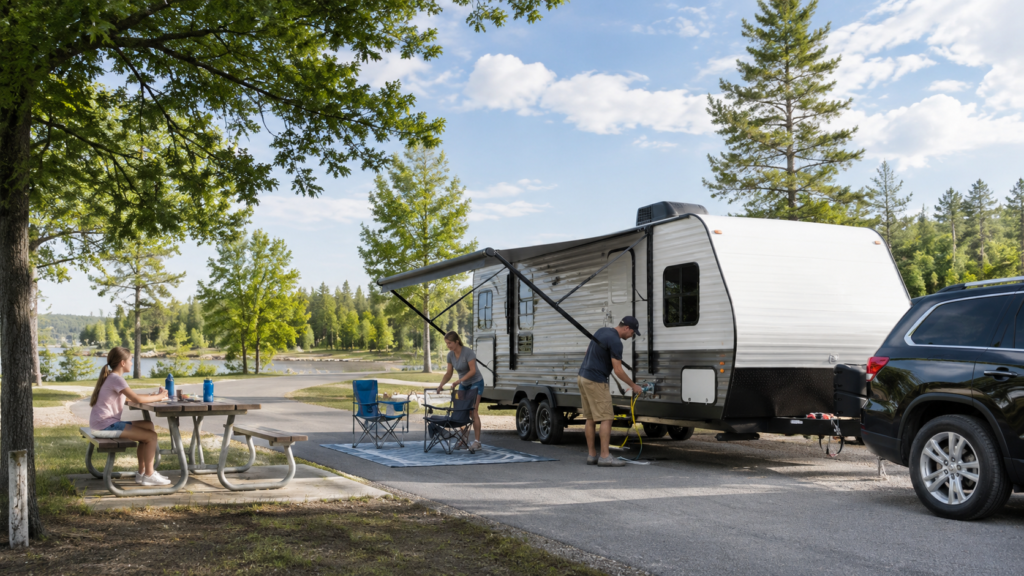
For a first trip on the West Coast, look for private RV parks with paved or well-packed sites, wide access roads, and clear check-in instructions. Campgrounds near popular beach towns or national park gateways can be beautiful, but they may also book early and have tighter rules, so read the site description carefully before you reserve.
Southwest
The Southwest is often great for beginners because many campgrounds have open layouts and fewer trees to work around. That said, a campground that looks easy on paper can still feel uncomfortable if there is very little shade or if afternoon winds are common. Check the forecast, ask about sun exposure, and make sure your water and electric setup matches the season.
Midwest
Midwest campgrounds can be excellent for short first trips because driving days are often more manageable and many parks cater to weekend campers. Larger state park campgrounds and family-friendly private RV parks are usually better starting points than small rustic campgrounds where leveling, hookups, or arrival instructions may be less straightforward.
Southeast
In the Southeast, choose a campground with shade, visible hookup pedestals, and good drainage if heavy rain is possible. Beginner-friendly campgrounds in this region often stand out because they make it easy to get settled fast, with clear quiet-hour rules, bathhouses nearby, and convenient access to beaches, lakes, or family attractions.
Northeast
The Northeast can be a little trickier for first-timers because some campgrounds have tighter trees, older layouts, or shorter sites. A better first choice is a larger RV park or a roomy site with strong recent reviews that mention easy access, helpful staff, and simple navigation. When in doubt, call and ask whether the site is comfortable for newer RV campers.
Mountain Areas
Mountain campgrounds can be a great second or third RV trip once you feel more comfortable, but beginners should stay cautious about steep roads, elevation, and changing weather. If you want mountain scenery on your first trip, look for parks near gateway towns rather than remote campgrounds where access and setup may be more demanding.
How to Compare Campgrounds Before You Book
Once you have a few campground options, compare them the same way every time. That helps you avoid booking a place that sounds nice but creates unnecessary stress on your first trip.
- Check whether the site is pull-through or back-in.
- Confirm what hookups are available at the site.
- Read recent reviews for comments about staff, roads, noise, and site levelness.
- Look at site photos and campground maps if they are available.
- Call the campground if your RV size, slide-outs, pets, or arrival time could affect your stay.
| What to Ask | Why It Matters | Beginner Tip |
|---|---|---|
| Will my RV fit this exact site? | Listings can be vague | Ask using your total length, including hitch or tow vehicle setup if relevant |
| What hookups are at the site? | You need the right power, water, and sewer plan | Do not assume every site has full hookups |
| How easy is the site to access? | Road width and turns can matter as much as site size | Ask whether newer campers usually handle the site comfortably |
| Are there quiet hours, pet rules, or generator rules? | Rules affect how relaxed your stay feels | Read these before arrival so nothing catches you off guard |
| Is there a dump station or on-site sewer? | This changes your setup and departure plan | Check before booking if your RV systems are new to you |
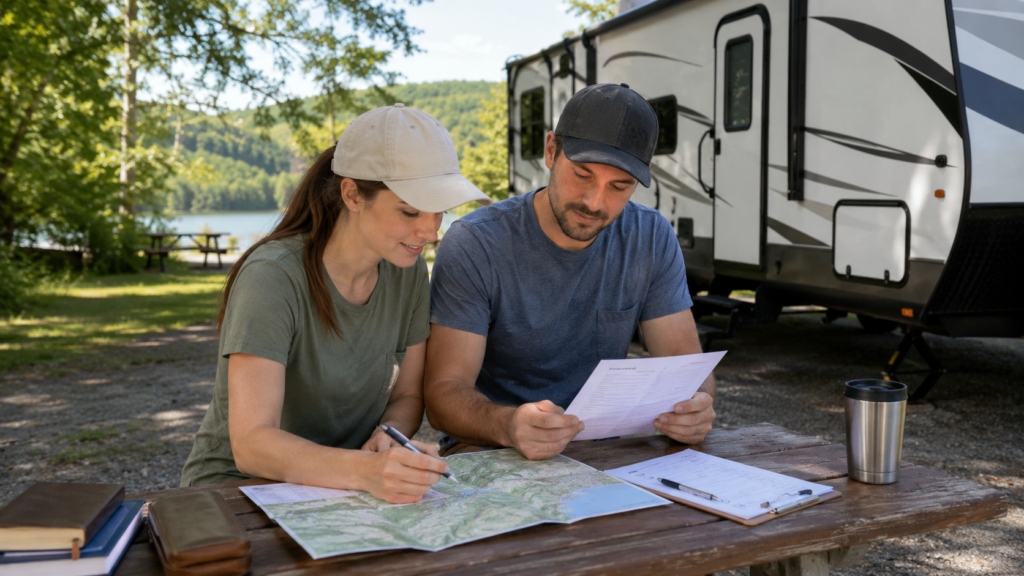
A simple rule for your first trip is this: choose convenience over ambition. A campground with easier access and better site details will usually teach you more than a more dramatic campground that leaves you stressed the whole time.
Common Beginner Mistakes When Choosing a Campground
Many first-time RV campers make the same booking mistakes. The good news is that most of them are easy to avoid once you know what to watch for.
| Mistake | Better Beginner Habit |
|---|---|
| Booking based only on scenery | Check site access, hookups, and layout before you focus on views |
| Assuming all RV sites are the same | Read the exact site details and ask questions when anything feels unclear |
| Choosing a tight back-in site for the first trip | Start with a pull-through site or a roomy back-in site with easy turns |
| Ignoring weather and terrain | Match the campground to the season, especially for heat, rain, or mountain driving |
| Skipping the campground rules | Read arrival, pet, generator, and quiet-hour policies before you go |
| Trying a remote or highly rustic campground first | Begin with a campground that gives you more support and clearer amenities |
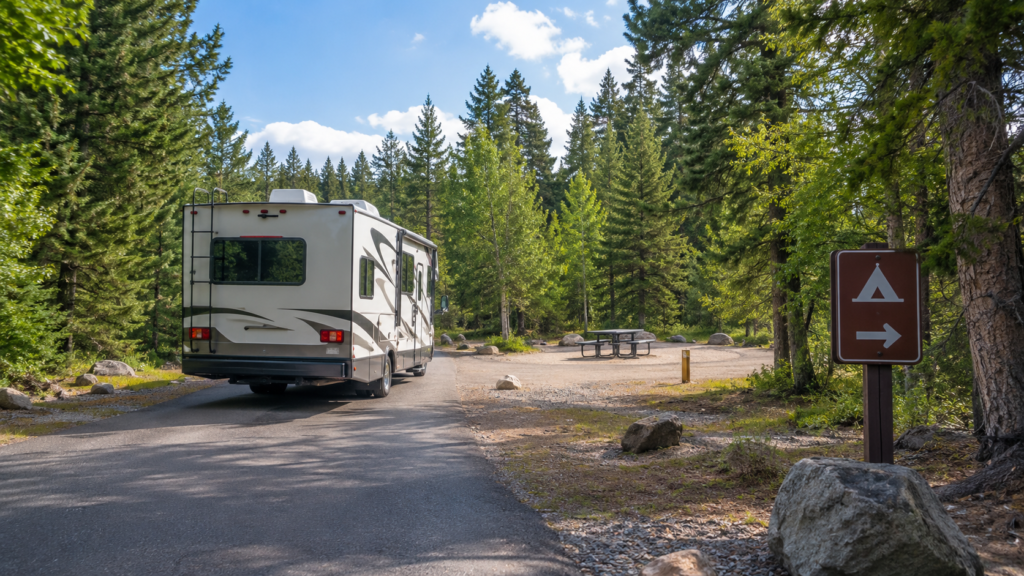
If you feel torn between two campgrounds, pick the one that sounds easier to arrive at, easier to park in, and easier to understand. Your first trip should build confidence, not test every skill at once.
FAQ
Should beginners choose private RV parks or state parks first?
Many beginners find private RV parks easier for a first trip because the hookups, site details, and check-in process are often more straightforward. State parks can be wonderful too, but they may have fewer hookups, tighter sites, or more variation from one campground to another.
Is a pull-through site worth it for the first trip?
For many first-time RV campers, yes. A pull-through site can make arrival much less stressful, especially if you are learning how your RV handles or you are traveling after a long drive. If a pull-through site is available and fits your budget, it is often a smart beginner choice.
How do I know if a campground will fit my RV?
Measure your RV carefully and compare it with the site description. If the listing feels unclear, call the campground and ask whether your RV length, slide-outs, or tow setup will work comfortably on that site. It is always better to ask than to guess.
What hookups should beginners look for?
For a low-stress first trip, many beginners prefer a site with at least water and electric hookups. Full-hookup sites can feel even easier because they simplify tank and wastewater planning. Check your RV owner’s manual and campground listing so you know what connections your setup needs.
What is the easiest kind of first RV trip to plan?
The easiest first trip is usually a short stay close to home at a campground with simple access, clear reviews, and beginner-friendly amenities. A nearby weekend trip gives you room to learn your setup without the extra stress of a long drive or unfamiliar terrain.
Your first campground does not have to be perfect. It just needs to be manageable. When you choose a campground that makes parking, hookups, and basic setup easier, you give yourself the best chance to enjoy the trip and learn what matters most for the next one.
Related Beginner RV Articles
- How to Plan Your First RV Camping Trip Step by Step
- What to Look for When Booking an RV Site
- Full Hookup vs Partial Hookup Campsites Explained
- What to Expect at an RV Campground
- How to Set Up an RV at a Campsite for the First Time
- First-Time RV Camping Mistakes to Avoid